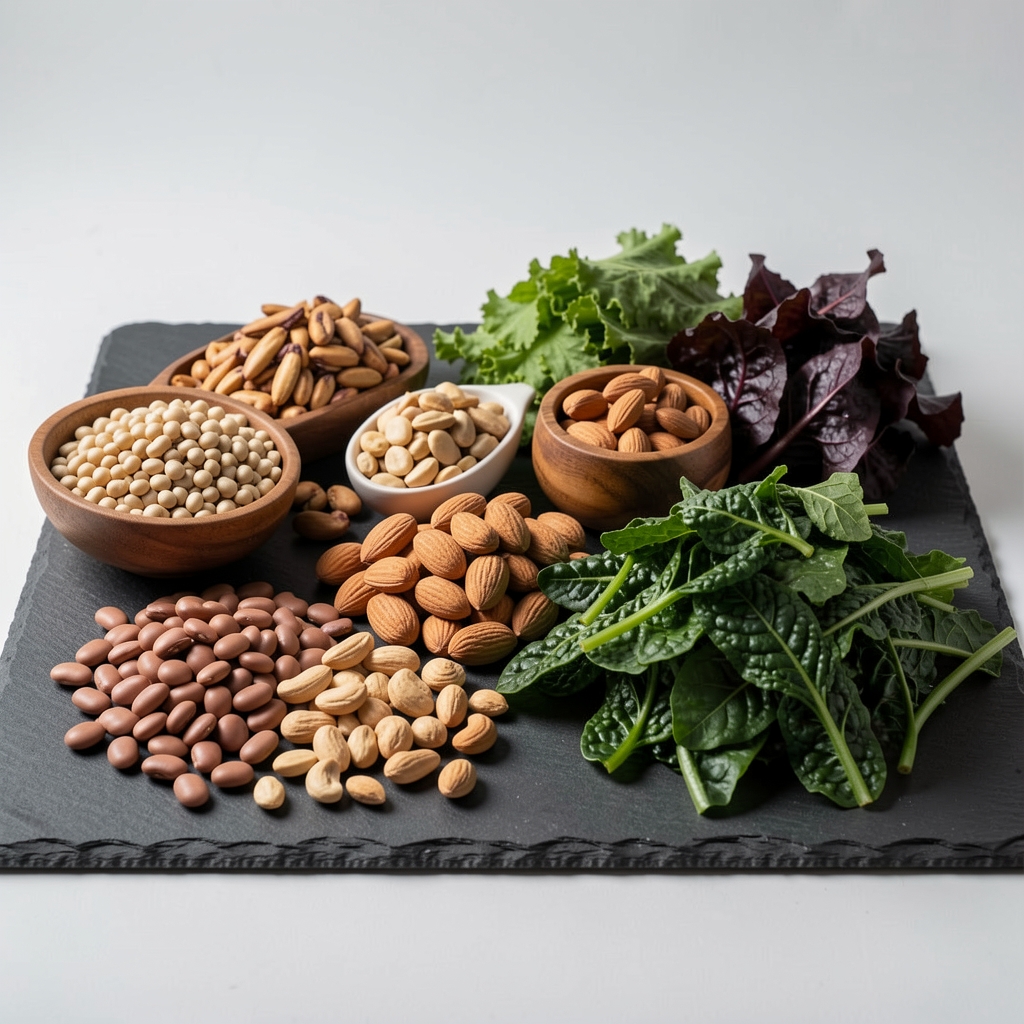
Every time the body absorbs nutrients from a meal, it faces a series of allocation decisions: which tissues receive glucose for immediate energy use, which receive amino acids for structural repair, and how much substrate is directed toward storage. These decisions are not random — they reflect a regulated process that the literature refers to as nutrient partitioning, and their outcome determines, in substantial part, how the meal contributes to longer-term body composition and energy availability.
The Post-Absorptive State and Its Signals
The post-prandial period — the hours following a meal during which absorbed nutrients enter circulation — is characterised by a shift from substrate mobilisation to substrate storage. The primary regulatory signal for this shift is insulin, secreted by pancreatic beta cells in response to rising blood glucose and, to a lesser degree, rising amino acid concentrations.
Insulin's actions on nutrient allocation are extensive. In skeletal muscle, insulin promotes glucose uptake via GLUT4 translocation and stimulates glycogen synthesis. In adipose tissue, it suppresses lipolysis and promotes triglyceride synthesis from circulating free fatty acids and glucose. In the liver, it promotes glycogen synthesis and, when glycogen stores are replete, de novo lipogenesis from excess glucose.
The magnitude of the insulin response to a given meal depends on the composition of that meal, the overall energy status of the individual, the degree of insulin sensitivity in target tissues, and the timing of the meal relative to prior activity. These variables interact in ways that are not fully captured by simple glycaemic index scoring or generic macronutrient ratios.
Insulin Sensitivity and Its Modifiers
Insulin sensitivity — the degree to which target tissues respond to a given insulin concentration — is central to nutrient partitioning outcomes. Skeletal muscle with high insulin sensitivity takes up glucose rapidly during the post-prandial period, directing substrate toward glycogen or immediate oxidation. Muscle with reduced sensitivity takes up less glucose, leaving more in circulation and shifting the partitioning balance toward adipose storage.
Physical activity is among the most potent modifiers of skeletal muscle insulin sensitivity. A single bout of exercise increases muscle insulin sensitivity for several hours through mechanisms that include AMPK-mediated GLUT4 translocation independent of insulin, increased glycogen-depleted muscle mass available for glucose uptake, and enhanced insulin receptor signalling. These effects are transient but meaningful for nutrient partitioning in the hours following exercise.
Sleep quality and duration also influence insulin sensitivity. Sleep deprivation consistently reduces insulin sensitivity in controlled studies, with the effect appearing within a few nights of shortened sleep. The mechanisms are not fully resolved but appear to involve altered cortisol and growth factor signalling, as well as changes in circadian regulation of glucose metabolism.
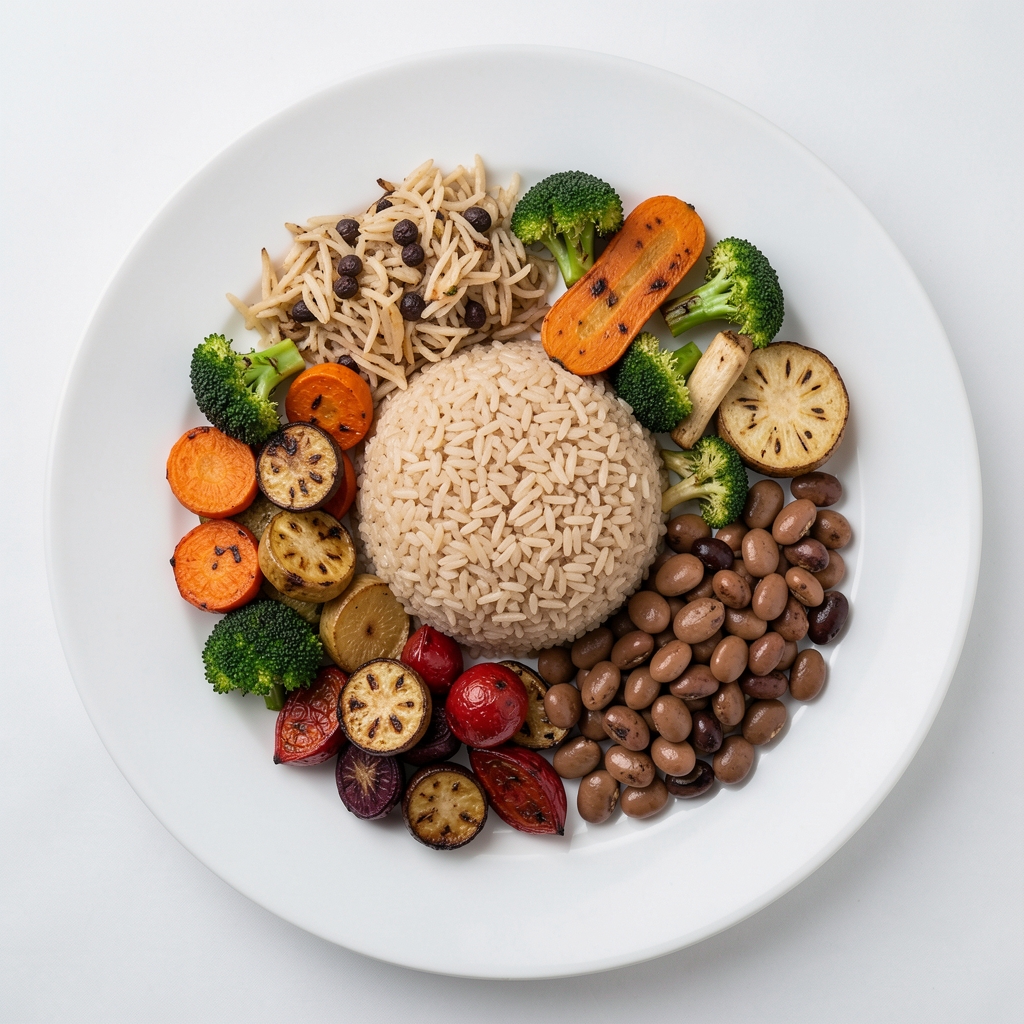
Nutrient partitioning is not simply a matter of what is eaten but of the metabolic context in which the meal arrives — the exercise history, the sleep record, and the current state of tissue glycogen stores.
The Thermic Effect of Food and Partitioning Costs
The thermic effect of food — the energy expended in digesting, absorbing, and processing ingested nutrients — varies across macronutrients. Protein carries the highest thermic effect, estimated at twenty to thirty per cent of the energy it provides. Carbohydrate has a thermic effect of approximately five to ten per cent, and fat of around three to five per cent. These values are approximate and vary with food form, meal size, and individual metabolic characteristics.
The thermic effect of food is sometimes regarded as a minor rounding factor in energy balance calculations, but its implications for nutrient partitioning are worth noting. The energy cost of processing protein means that a higher-protein meal produces a different net energy availability than an isocaloric lower-protein meal, and this difference affects the downstream partitioning decision.
Mixed meals — those containing carbohydrate, protein, and fat together — do not simply produce additive partitioning outcomes from their individual macronutrient components. The presence of dietary fat slows gastric emptying and modulates the rate of glucose and amino acid entry into circulation, altering the post-prandial insulin response profile. This interaction between macronutrients is one reason that whole-meal composition matters more than individual macronutrient amounts in isolation.
- 01 Insulin is the primary regulator of post-prandial nutrient allocation, directing substrate toward muscle glycogen, adipose storage, or hepatic processing depending on tissue sensitivity.
- 02 Skeletal muscle insulin sensitivity is substantially elevated in the hours following physical activity, shifting the partitioning balance toward muscle glycogen replenishment.
- 03 The thermic effect of protein is roughly four to six times higher than that of fat, affecting net energy yield from isocaloric meals with different macro compositions.
- 04 Chronic sleep restriction measurably reduces insulin sensitivity, altering the partitioning balance independently of diet composition or activity level.
Metabolic Flexibility and Substrate Switching
Metabolic flexibility — the capacity to switch between glucose and fat oxidation in response to substrate availability and physiological state — is closely related to nutrient partitioning. An individual with high metabolic flexibility transitions readily from fat oxidation in the fasted state to carbohydrate oxidation post-prandially, and back again as the absorptive phase ends. Impaired metabolic flexibility is associated in the literature with reduced insulin sensitivity and with metabolic health markers that include elevated fasting triglycerides and altered circulating glucose regulation.
The relationship between metabolic flexibility and nutrient partitioning is bidirectional. Impaired partitioning — in which excess substrate is directed toward adipose storage rather than muscle or oxidation — can itself reduce metabolic flexibility by contributing to ectopic lipid accumulation in skeletal muscle, which interferes with insulin signalling. This represents a feedback relationship in which partitioning outcomes influence the conditions that govern future partitioning.
Dietary and lifestyle interventions that improve insulin sensitivity — consistent physical activity, adequate sleep, and attention to overall energy balance — tend to improve metabolic flexibility as a consequence. The literature does not support a single dietary pattern as definitively superior for improving metabolic flexibility; rather, the consistency of the broader lifestyle framework appears to matter more than the precise macronutrient distribution within it.
Glycogen Status and the Partitioning Context
The degree to which a given meal's carbohydrate is directed toward muscle glycogen synthesis versus other pathways depends substantially on the prior depletion state of muscle glycogen. When muscle glycogen is substantially depleted — following prolonged activity, for example — incoming carbohydrate is preferentially directed toward glycogen resynthesis. When glycogen stores are already well repleted, the partitioning balance shifts toward other pathways, including hepatic glycogen synthesis and, at sustained high intake, de novo lipogenesis.
This context-dependence has practical implications for meal timing relative to exercise. Consuming carbohydrate in the post-exercise window, when glycogen stores are partially depleted and muscle insulin sensitivity is elevated, generally produces a different partitioning outcome than consuming the same carbohydrate amount in a rested, glycogen-replete state. The magnitude of this difference varies with exercise intensity, duration, and individual training status.
The practical application of these observations requires a degree of caution. The research on post-exercise nutrient timing is robust at the extremes — well-trained athletes with prolonged daily exercise bouts, or individuals engaged in research-protocol glycogen depletion — but less clear for the moderate activity levels that characterise most of the general population. The principle is sound; its quantitative significance in everyday contexts is more modest than popular nutrition writing often suggests.